Feather
A Delicate Elegance for Dainty Projects
As a designer who’s stitched through countless embroidery projects, I’m always on the lookout for designs that bring a touch of refinement without overwhelming the fabric. Feather is one such design that immediately caught my eye with its soft, flowing lines and intricate detailing. It feels like a whisper of nature, perfectly suited for delicate fabrics and subtle embellishments.
The First Impression: A Mood of Subtlety
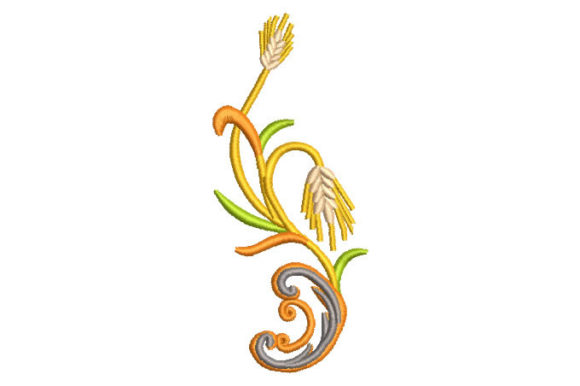
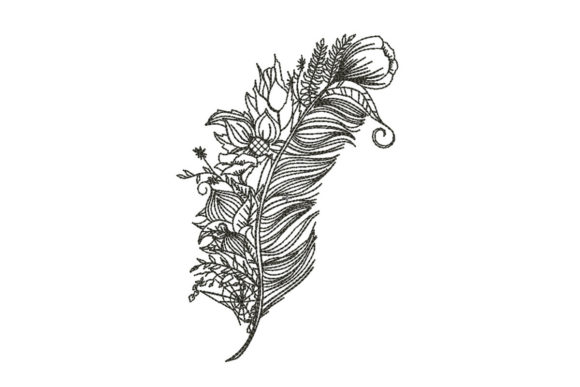
At first glance, Feather exudes a quiet elegance. The feather shape is clean yet expressive, with a natural flow that suggests movement and grace. The floral elements are softly rendered, adding a touch of botanical beauty without overpowering the design. It’s the kind of embroidery that would look at home on a vintage pillow or a hand-stitched baby blanket—projects where subtlety and charm are key.
Real-Life Use Case: Custom Embroidered Pillow Covers
I recently had the chance to test Feather on a custom pillow cover project. The design fit seamlessly into the dainty aesthetic of the linen fabric, enhancing its texture without drawing too much attention. The feather’s delicate structure allowed it to sit gracefully on the fabric, almost as if it were part of the piece itself.
What stood out was how well the design balanced detail and simplicity. The satin stitch work on the feather shaft provided enough definition without being too dense, while the floral accents added just the right amount of interest. This made Feather ideal for items like pillow covers, where the goal is to add a refined touch rather than a bold statement.
Performance in Real Projects
Feather performs admirably in most scenarios, but there are a few considerations to keep in mind. When working with thin or stretchy fabrics, it’s important to use a proper stabilizer to maintain the design’s integrity. The feather’s fine details can sometimes be lost on textured surfaces, so testing on scrap fabric before final stitching is always recommended.
For dark fabrics, the thread color contrast becomes crucial. While the design looks stunning on light backgrounds, it may require careful selection of thread colors to ensure visibility. Testing in black and white mockups can help identify potential issues early on.
When it comes to curved surfaces like caps or hats, Feather holds up surprisingly well. Its flowing lines adapt nicely to the contours, making it a versatile choice for embroidered patches or personalized accessories. However, detailed corners and tiny lettering (if any) might need extra attention during the stitching process.
Where to Use with Caution
- Small hoop sizes: While Feather is elegant, it can be challenging to fit in smaller hoops due to its intricate detailing. Always confirm the hoop size requirements before purchasing.
- Layered garments: If using Feather on layered items like aprons or tote bags, ensure the design doesn’t interfere with other elements. Proper placement and stabilizer use are essential.
- Dense stitch areas: The design’s complexity means that stitch density can vary depending on the machine and settings. Reviewing stitch density before use is a must.
- Frequent washing: For products like tea towels or kitchen linens, consider whether Feather will hold up over time. High-quality thread and proper stabilization can help preserve the design.
Design Impact and Customer Perception
Feather has a calming effect on the viewer, evoking a sense of serenity and sophistication. Its presence elevates the handmade product, making it feel more intentional and thoughtful. This can enhance customer trust, especially for Etsy sellers or small shop owners looking to build a brand around quality and aesthetics.
From a visual standpoint, Feather adds value by creating a focal point that’s both beautiful and functional. Whether it’s a holiday gift, a custom sweatshirt, or a boutique item, the design contributes to the overall appeal without overshadowing the rest of the product.
Practical Design Notes for Embroidery Professionals
Before using Feather in a commercial or personal project, I recommend the following steps:
- Test on scrap fabric: Always check how the design interacts with the chosen fabric type and texture.
- Review thread color contrast: Ensure the embroidery stands out against the background fabric.
- Confirm hoop size: Verify that the design fits comfortably within your machine’s capabilities.
- Inspect small details: Pay close attention to the feather’s fine lines and floral elements for clarity.
- Use proper stabilizer: Especially for stretchy or thin fabrics, a good stabilizer is essential for even stitching.
- Test in black and white: This helps identify any potential issues with contrast or detail.
- Compare light and dark backgrounds: Ensure the design works across different fabric types.
- Check licensing terms: If selling finished products or digital files, confirm the usage rights.
Conclusion: A Versatile Choice for Handmade and Commercial Projects
Feather is a versatile design that brings a touch of elegance to a wide range of embroidery projects. Whether you're crafting personalized gifts, custom apparel, or boutique products, it offers a refined aesthetic that complements both handmade and commercial applications.
With its delicate balance of detail and simplicity, Feather is a great addition to any designer’s toolkit. Just remember to approach it with care, especially when working with delicate fabrics or intricate details. With the right preparation and attention to detail, this design can elevate your next project and leave a lasting impression on your customers.