Lavender
First Impressions: A Fresh and Versatile Design
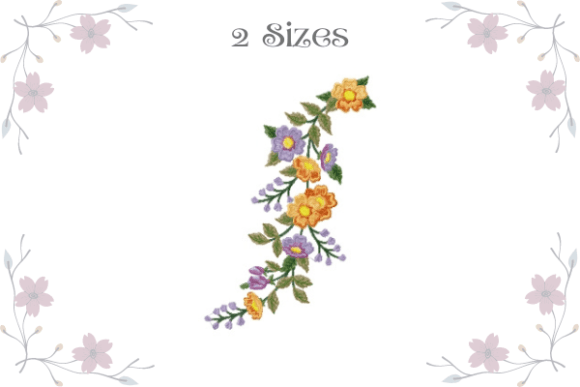
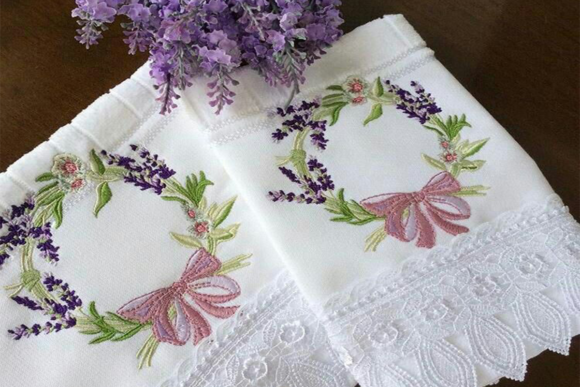
The Lavender design makes a strong first impression with its soft, floral aesthetic. It feels like a gentle yet vibrant addition to any handmade product. The design is clean, with a focus on the lavender flowers that are central to its identity. It carries a fresh and earthy vibe, making it suitable for both rustic and modern markets.
Design Appeal Across Product Types
Lavender has a wide range of applications. It looks especially good on tea towel embroidery, where the flowers can be a charming focal point. On apron embroidery, it adds a subtle touch of elegance. For tote bag design, the design works well as an accent or even a larger statement piece depending on the size and placement.
The Lavender design also shines on embroidered patches and market bags. Its simplicity allows it to stand out without overwhelming the product. When applied to pillow covers or small fabric pouches, it becomes a delightful decorative element. It’s also a great fit for handmade gifts, especially when paired with other floral motifs or neutral tones.
Visual Impact and Online Presence
Photographically, Lavender performs well. Its colors are clear and distinct, making it easy to showcase in printable mockups and Etsy listings. The design’s clarity ensures that it remains recognizable at smaller sizes, which is important for online buyers who may not see the product in person before purchasing.
For commercial embroidery, the Lavender design is versatile. It can be used as a small accent or scaled up for larger projects. However, it’s important to consider stitch density and thread color contrast to maintain visual appeal. A high-quality embroidery file will ensure that the design looks crisp and professional on all types of fabric.
Practical Production Considerations
Before producing Lavender designs, there are several practical steps to take. First, test the design on scrap fabric to check how it looks and behaves on different materials. This is especially important when working with textured towels or thick fabric.
Ensure that the hoop size is appropriate for the design. If the design includes dense stitch areas or intricate details, a larger hoop may be necessary to prevent distortion. Also, review the stitch density to avoid over-stitching, which can cause puckering or damage to the fabric.
Using the right stabilizer is crucial for maintaining fabric integrity during the embroidery process. It’s also recommended to create at least one real mockup to assess how the design looks in a finished product. This helps identify any potential issues before mass production.
Design Notes for Craft Fair Sellers
As an experienced embroidery designer, I recommend using Lavender on products that will be displayed at craft fairs. It’s a great choice for small shop products because it’s easy to understand at a glance and visually appealing. Customers often gravitate toward designs that feel fresh and approachable, and Lavender fits that bill perfectly.
When displaying Lavender on items like pillow covers, caps, and market bags, ensure that the products are arranged to highlight the design. Use natural lighting and minimal background to let the embroidery stand out. This will help attract customer attention and increase sales at your booth.
Design Repeatability and Brand Consistency
Lavender is highly repeatable, making it ideal for batch production. It maintains its quality across multiple units, which is essential for digital embroidery files and commercial embroidery. The design’s consistency supports brand recognition, helping to build a cohesive look across your product line.
For Etsy sellers and small shop product creators, Lavender offers a reliable and marketable option. It’s a design that customers will recognize and appreciate, contributing to long-term brand loyalty.
Careful Use and Final Tips
While Lavender is a beautiful design, it requires careful handling in certain situations. Dense stitch areas and tiny details can be tricky on dark fabrics or textured surfaces. Always check thread colors against the fabric to ensure visibility and contrast.
Lastly, confirm that you have the proper commercial licensing before selling finished products. This ensures that you’re compliant with copyright laws and protects your business from potential legal issues.